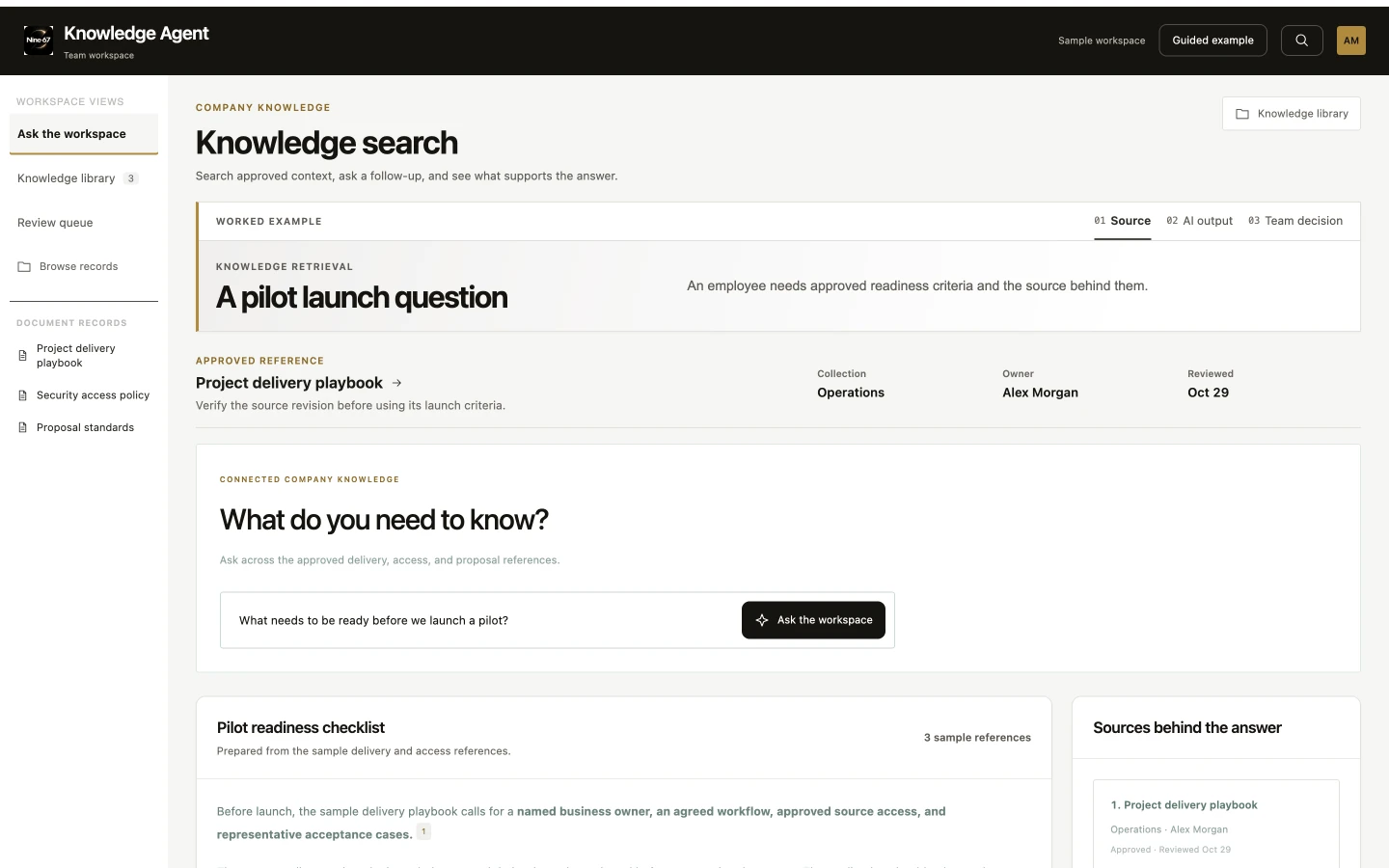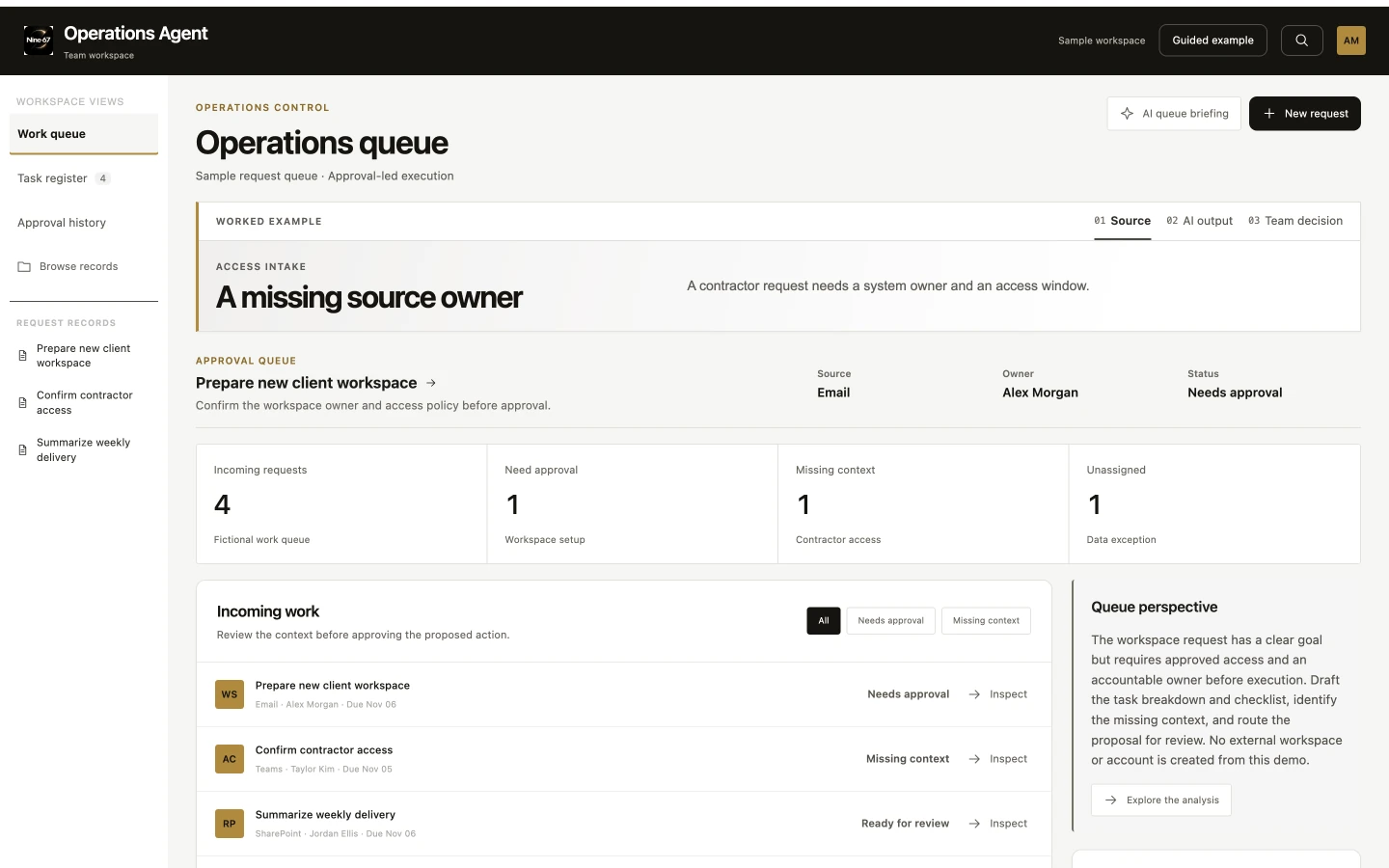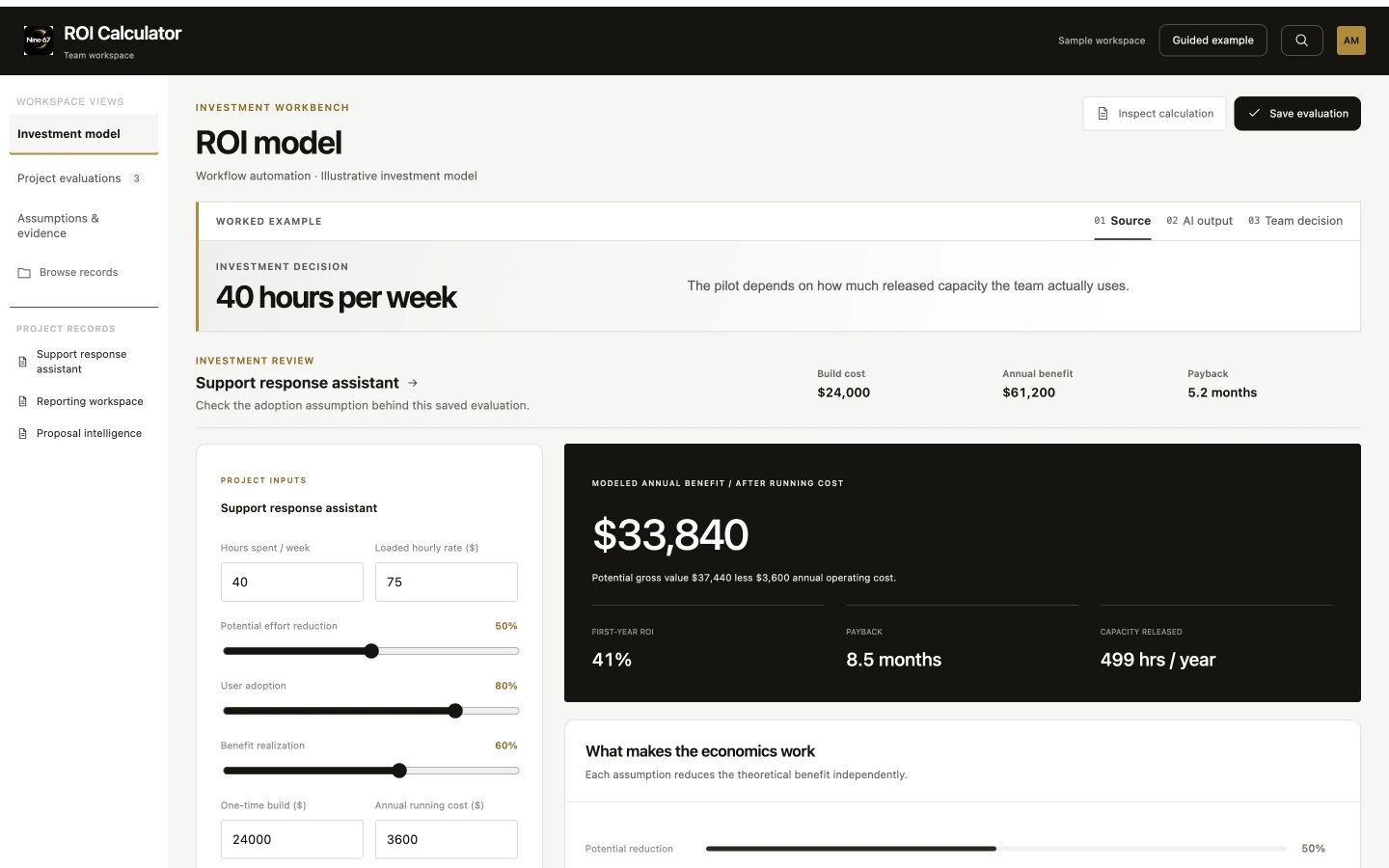
Data readiness belongs to a use case, so test it on one. Run a single AI use case against your own production records, and count the records with an error that would have changed the result. That count, taken again after the owners fix the source, is your readiness measure.
TechTarget, a trade publisher, quoted Gartner's senior research director in data management at the Gartner Data and Analytics Summit, in a feature of March 13, 2026: Data could be ready for one AI case but not for another AI case.
How common are record errors?
One published study shows how common record errors can be. Three authors, two at Cork University Business School and one the president of Data Quality Solutions, a data quality consulting firm, published Assessing data quality: A managerial call to action in Business Horizons in 2020. They report that on average, 47% of recently created data records have at least one critical error, and that only 3% of the DQ scores rated acceptable (≥97%).
DQ stands for data quality. Read those figures as an illustration. The authors' Harvard Business Review article of September 11, 2017 says they come from 75 executives who each measured their own department's data in the authors' executive education classes in Ireland. The same article says no sector, government agency, or department is immune.
Their method is simple. Assemble 10 to 15 critical data attributes for the last 100 units of work your department completed. Mark the obvious errors in each record, then count the error-free ones.
Test one use case at an IT services firm
At an IT services firm, the use case can be a service desk assistant that drafts the first reply to a client ticket. A service desk agent reviews each draft before it is sent. The assistant reads three records per ticket: the ticket itself, the client's contract record for the service level bought, and the configuration management database, which lists each client's devices and what runs on them.
The service desk manager samples the last 100 tickets closed. For each one, the manager checks that the client matches the contract, that the device named exists in the configuration database under that client, and that the category and resolution fields are filled. The check runs inside the ticketing system, so no client record leaves the firm. It costs a morning of the manager's time, and the CIO owns the decision.
Fix the errors at the source and recount
In the first month, the CIO picks the use case, and the manager lists the fields it reads and runs the count. In the second, the owner of each failed field corrects it at the source: the service desk manager for the ticket form, the account manager for the contract record, the engineer for the configuration database. The manager then recounts on a fresh sample of 100.
In the third month, the assistant runs on live tickets with an agent reviewing every draft. Each client's data terms and the model vendor's contract decide which records may be sent. You end with two numbers for this use case: the first count of records an error would have changed, and the recount after the field owners fix the source.
Sources
- techtarget.com: Data could be ready for one AI case but not for another AI case.
- ideas.repec.org: Assessing data quality: A managerial call to action
- hbr.org: no sector, government agency, or department is immune
See what we would build for your business. Book a meeting