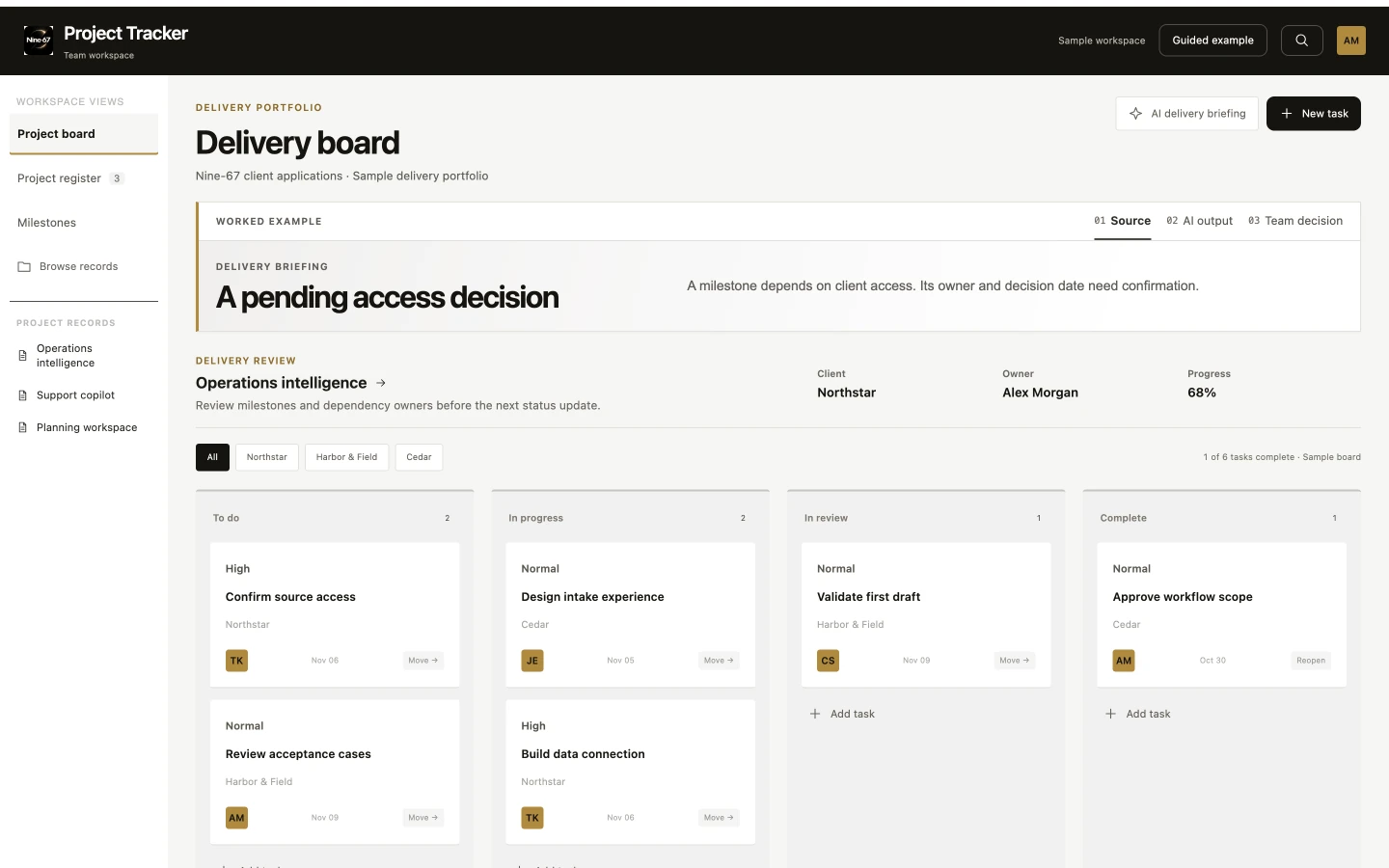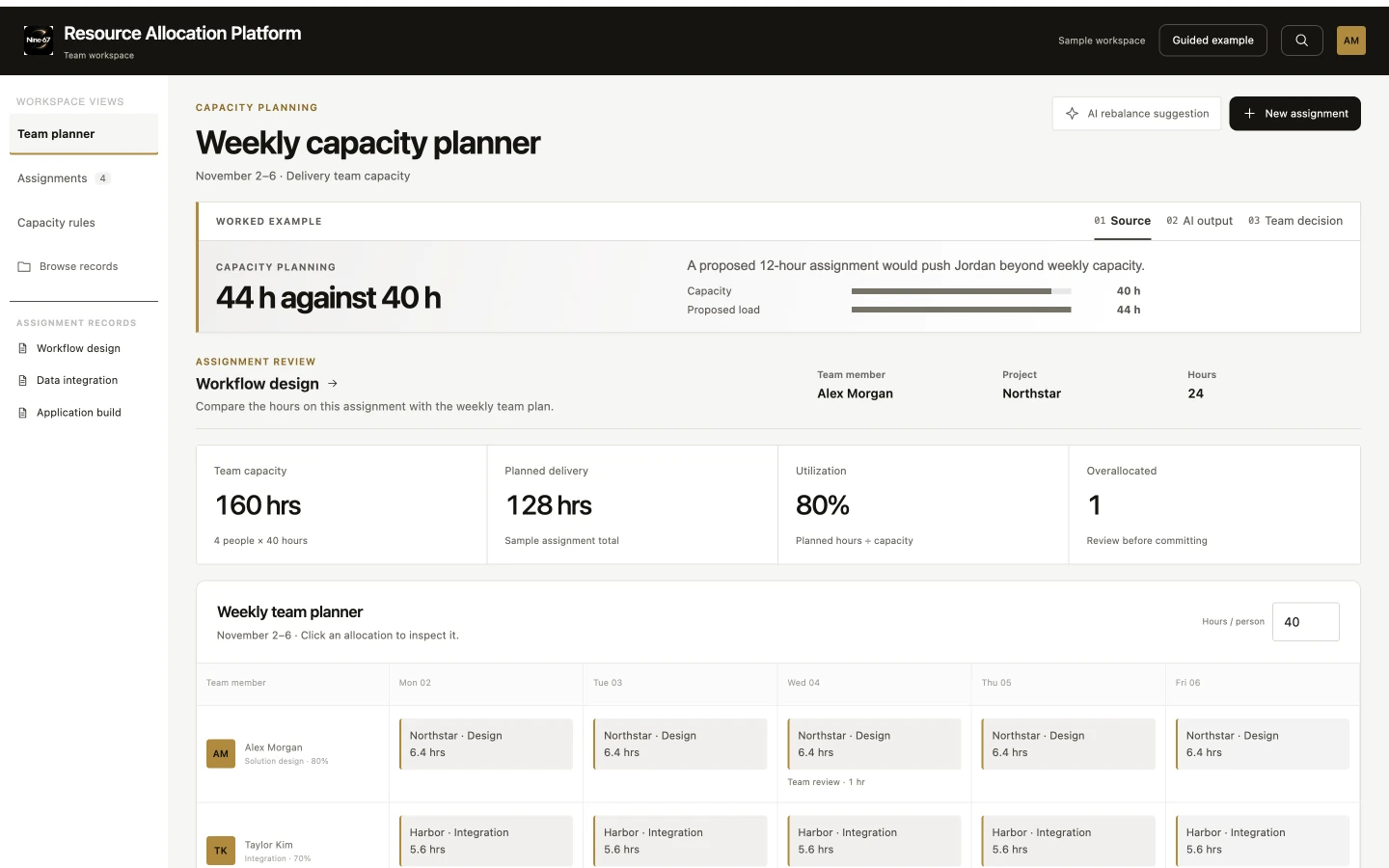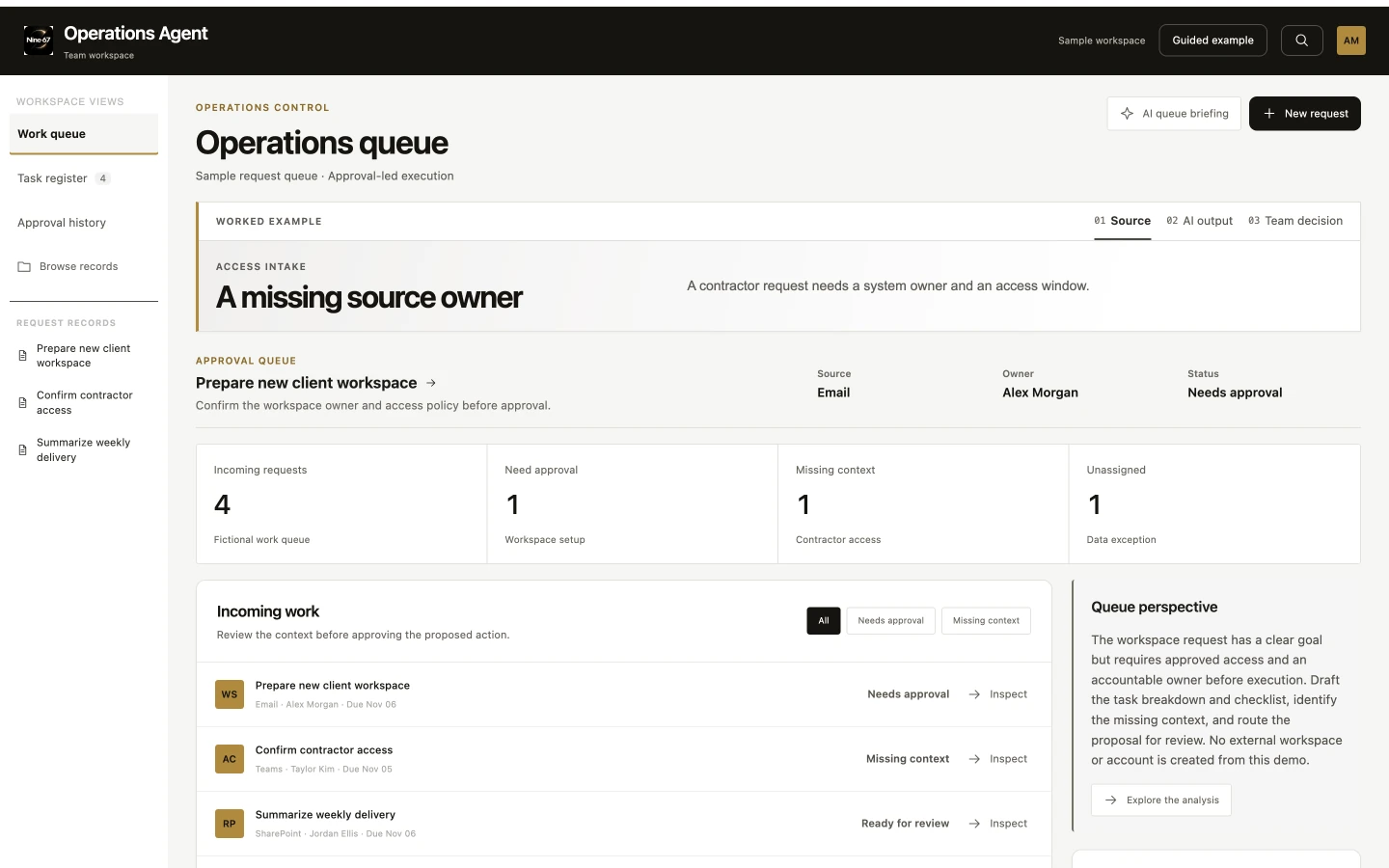
A customer asks a simple question: “When will my order arrive?”
Picture what happens next at a manufacturer. The account manager opens the order record, checks stock, looks for a production update and searches an email thread for the last date anyone mentioned. One record says the order ships next week, and another says production is still waiting on a part.
AI can draft a clear, polite reply in seconds. With access to the relevant systems, it can also bring those records together and flag conflicting information. But someone still has to decide which date is right, what the company can promise and who will chase the missing part.
For the customer, this is one question. Inside the business, it is a chain of checks, decisions and handoffs. That chain is where to look when your team uses AI and the work still feels slow.
Faster tasks can hide a slow process
Faster drafts, quicker summaries and cleaner spreadsheets all help. The question for a leader is what happens around them.
If the account manager writes the reply in a minute but waits a day for Operations to confirm the date, the writing was never the bottleneck. If the answer arrives and nobody owns the customer update, the inquiry stays open. If the same mismatch shows up again tomorrow, someone investigates it all over again.
Those delays can become expensive: expedited freight, service credits and overtime spent resolving exceptions. Check how often these costs occur and what they add up to.
Follow one inquiry from start to finish
You don't need to map the whole business to start. Pick one piece of work that repeats, and follow a real example through the people and systems it touches.
Start with the information. Where does it live, can the person handling the request see it, and do the records refer to the same order and the same version?
Then look at the checks. A planned ship date can differ from the delivery date. The answer needs to account for production readiness, stock availability and transit time, using information the business can stand behind.
When records disagree, the process needs a clear way to surface the conflict and decide what happens next.
Then follow the handoff. Who receives the open question, what do they send back and who updates the customer?
Watch the waiting as closely as the working. Repeated copying is a good candidate for automation. A queue waiting on a decision usually needs a clear owner or a simpler approval rule first.
What a connected AI workflow could handle
With access to the relevant systems and agreed rules, an AI workflow can gather the records, flag conflicting dates, route the unresolved question to the right person and track whether it gets answered. It can also prepare the customer update for review.
When records disagree, the workflow needs a defined way to verify the answer. It should not turn an unresolved date into a customer promise: when the records cannot support a delivery date, the workflow escalates the decision to a person.
Three questions for choosing where to start
1. Where does the same work keep coming back?
Look for a pattern: a recurring inquiry, a regular reconciliation, an approval that always needs the same information. Frequency is a clue. Before investing, find out what the work costs in time, delay and rework.
2. What exactly should improve?
Name the outcome. It might be the time it takes to assemble an answer, the number of requests left open, or the corrections needed before a report goes out. Write down where things stand today, so there is something real to compare against later.
3. Who owns the work and the exceptions?
Find the person who understands the process and can decide what changes. Include the awkward cases: conflicting records, missing inputs and calls that need judgment. If nobody can explain how an exception should be handled, settle that before asking any tool to handle it.
The decision to make
The key choice is which delay costs the business most, and whether it comes from slow work or from an unclear decision. The answer tells you whether you need a small automation, a wider workflow or simply a clearer owner.
For your next leadership meeting, bring one recurring request, the time spent working on it, the time spent waiting, and who owns each unresolved decision.
See what we would build for your business. Book a meeting